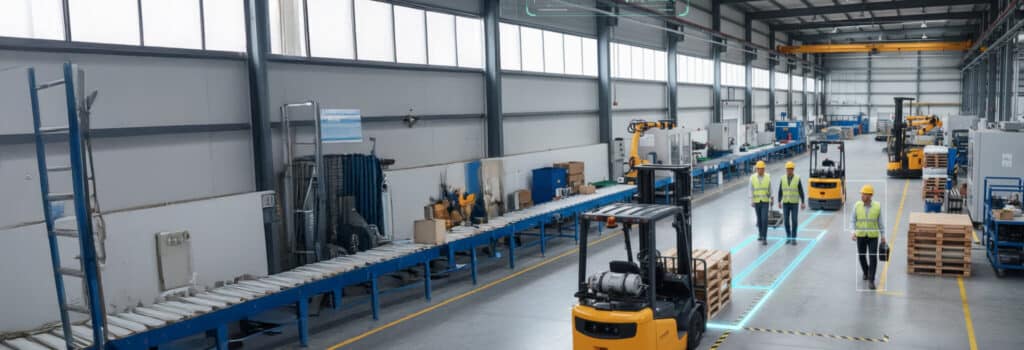
How the Right Fleet Management Software Enables Efficient Operation
Running a busy fleet across transport, logistics, mining, or construction means constantly juggling moving parts. No matter your fleet size, keeping track of your assets and ensuring an efficient operation is always the primary goal. However, many operations leads find themselves stuck managing multiple separate platforms just to monitor overall fleet performance. It is time-consuming, frustrating, and takes your focus away from growing your business.
Developed in response to customer feedback, Fleetware’s platform is designed to make fleet management more streamlined, intuitive and connected. Many operators currently work across separate systems for tracking, compliance, maintenance and video footage, creating unnecessary administration and fragmented visibility.
While Fleetware’s existing telematics platform continues to deliver strong results for businesses across Australia, the new platform builds on that foundation by bringing more critical fleet management tools into one integrated environment.
To successfully manage your fleet and run a truly profitable company, you need complete operational visibility rather than extra administrative complexity. Here is how consolidating your core tools into a unified platform can transform your day-to-day management.
How does fleet management software work across different business systems?
Traditional fleet tracking software often acts as an isolated tool. You plug telematics devices into your assets, and you get a basic map showing vehicle locations. But if that tracking data does not communicate with your other business systems, you are missing out on vital context.
Modern platforms operate as software as a service, meaning they are built to pull real-time GPS tracking, live engine data, and compliance records into one shared environment. Instead of jumping between fragmented existing systems to see if a vehicle is en route or requires service, you can manage everything from a single screen using reliable GPS technology.
For operators managing more than standard vehicles, this also means visibility across trailers, equipment and other mobile assets, giving teams a clearer view of everything moving across the operation
Key features that improve safety and fleet compliance
When your technology centralises your data, it gives you the actionable insights required to keep your drivers safe and your operations compliant. Choosing the right software enables you to build a proactive fleet compliance plan that protects your business from risk.
- Digital pre-start checks: Drivers can quickly log vehicle issues on a mobile app before an asset leaves the yard, creating a secure audit trail.
- Heavy vehicle oversight: Instant alerts help you manage heavy vehicles and heavy plant safely, ensuring minor mechanical faults do not turn into major hazards.
- Fatigue management: Integrating driver safety metrics and rest schedules ensures your business meets strict Australian chain of responsibility laws.
- Driver behaviour monitoring: Live feedback helps keep your drivers safe on the road while actively working to improve efficiency across your entire team.
- Integrated dash camera access: Operators can access dash camera footage directly through the platform without switching between systems, allowing for faster incident investigation and more efficient fleet oversight.
Controlling fuel usage and maintenance costs without the stress
Unplanned downtime and spiking fuel consumption can quickly erode your business margins. By implementing automated maintenance scheduling, you can stay ahead of breakdown risks and manage preventative fleet maintenance based on real-world asset use. Catching wear and tear early directly lowers ongoing maintenance costs and extends your asset lifecycles.
There is also a significant financial benefit to monitoring your fuel usage. Reducing fuel costs and combining vehicle tracking with driver behaviour data helps eliminate unnecessary engine idling and aggressive acceleration. Having all this vital vehicle information in one place gives you the practical cost control you need to run a leaner business.
Choosing the best fleet management software for Australian conditions
When you are searching for the best fleet management software, you need a solution built to handle rugged Australian conditions and remote operational environments. Many generic fleet management systems fall short because they lack local customer care or real-time scalability.
Just as importantly, the platform should be easy to use, intuitive to navigate and quick for teams to learn. A scalable system that reduces complexity, rather than adding to it, helps businesses improve visibility without creating extra administrative pressure.
You might naturally wonder, how much does fleet management software cost, and what is the total cost of ownership? These figures typically vary depending on your specific asset count and operational requirements. However, investing in an all-in-one platform can deliver a far better return than paying for multiple disconnected subscriptions.
At Fleetware, we’re launching a brand-new platform designed to unify asset tracking, compliance, cameras, and servicing. Backed by an experienced local support team, it gives you real-time GPS control over your mobile assets, whether you run a small fleet or a nationwide transport network.
Conclusion
Streamlining your operations does not mean adding more screens to your office wall. By choosing a unified platform to handle your tracking, compliance and maintenance you can reduce administrative burdens, protect your operating margins and keep your team safe on the road.
Want to learn more about how our platform can transform your operations? Explore our website for helpful resources, or contact the team at Fleetware today to talk with a local expert.